|
Theory of the Performative: Basics
|
|||||
| Performative is a term coined by the linguist J. L. Austin. Austin's general approach is known as speech-act theory.
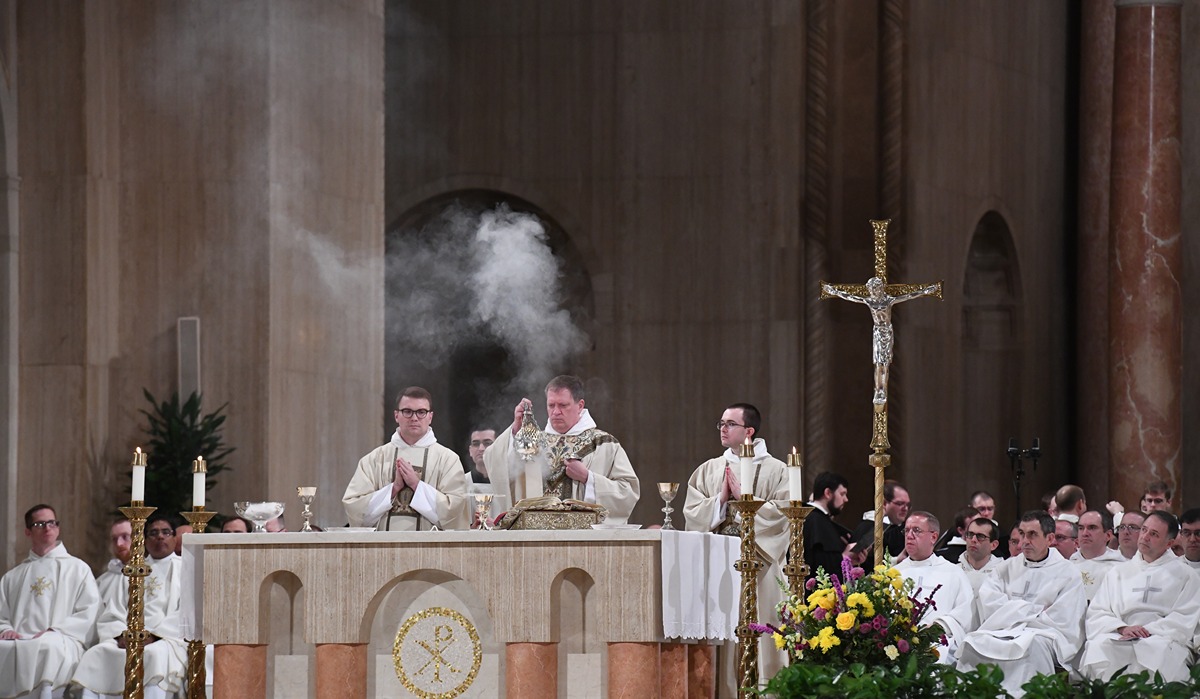
A performative is an activity that creates what it describes, a "doing that constitutes a being." In linguistics, performatives belong to the class of statements called illocutionary, one kind of which is "to bring about a state of affairs by the utterance." Austin's best known example of a performative statement is: "I now pronounce you man and wife." A priest or magistrate's speech act of pronouncing a couple to be husband and wife is what makes them husband and wife. The activity creates the married state; what the priest does (says) brings the situation into being. Austin pointed out that performatives depend on social relations to make them intelligible, believable, and acceptable. The priest's performative statement depends on understandings and traditions concerning gender ("man" and woman) and marriage (husband and "wife"). A more recent performative theorist, Judith Butler, pointed out that shifting the context of a performative utterance can have a strong impact. For example, if the statement "I now pronounce you man and wife" is made by someone other than a priest or magistrate, or if it is directed at a pair of cats, then the statement loses its cultural authority. In other cases, such as pronouncing a same-sex couple to be married, the authority of the performative may be ambiguous or controversial. Such changes in the context of performatives can draw attention to their conventional nature. As Butler has indicated, a performative in changed context mimics a cultural convention but also parodies it, and can "displace" (complicate) dominant notions--about (for example) what it means to be male, female, and married (or about who has the cultural authority to pronounce a marriage). In a more general sense, performance theory holds that the meaning of a text is not some absolute or abstract quality that resides in the text and can be extracted from it. Rather, the meaning of a text is enacted, created in action--for example, when the text is "read" or performed. This means that, for performative theorists, the meaning of a text is not fixed, but depends on context, situation, conventions, social relations, what the reader brings to the reading, and so on. The meaning of a text can change or be quite different depending on the conditions of its enactment (reading or performance). By extension, this theory holds that there is no single fixed, "correct" reading of a text. Traditional sources of meaning (the author's intention, for example, or the accepted interpretation of teachers or other authorities) are part of the context that creates meaning, but they are not final. In its most extreme form, performative theory could argue that a text has no meaning, in fact does not even exist, except when and as it is performed. |
|||||