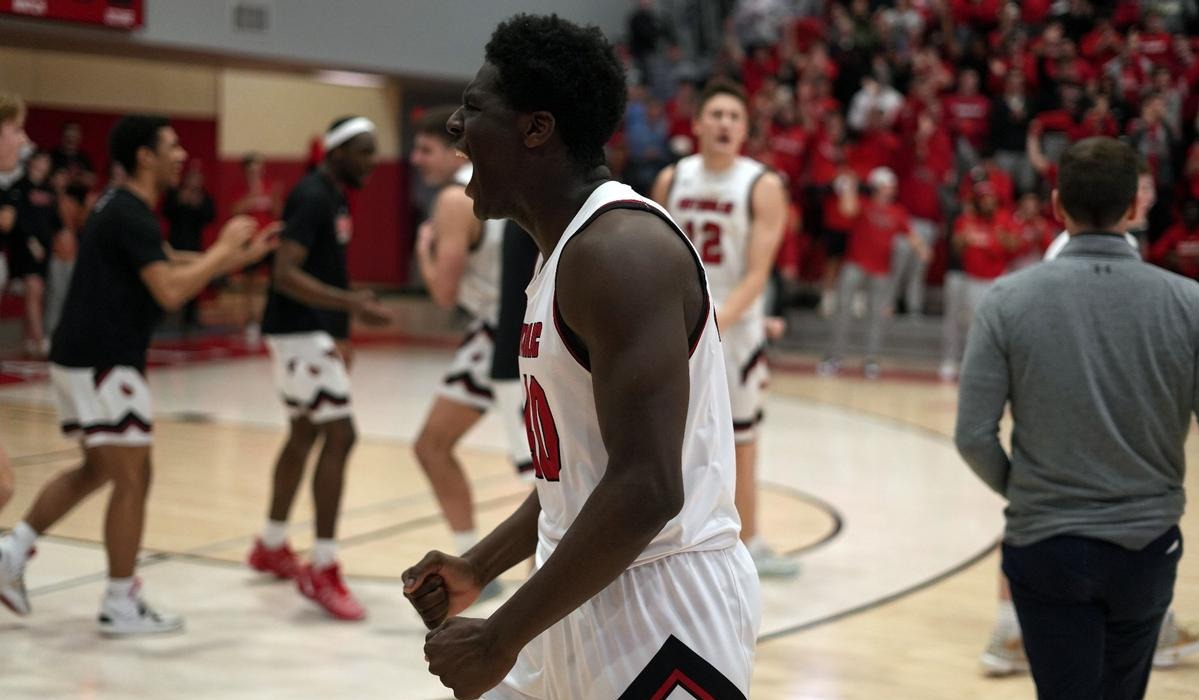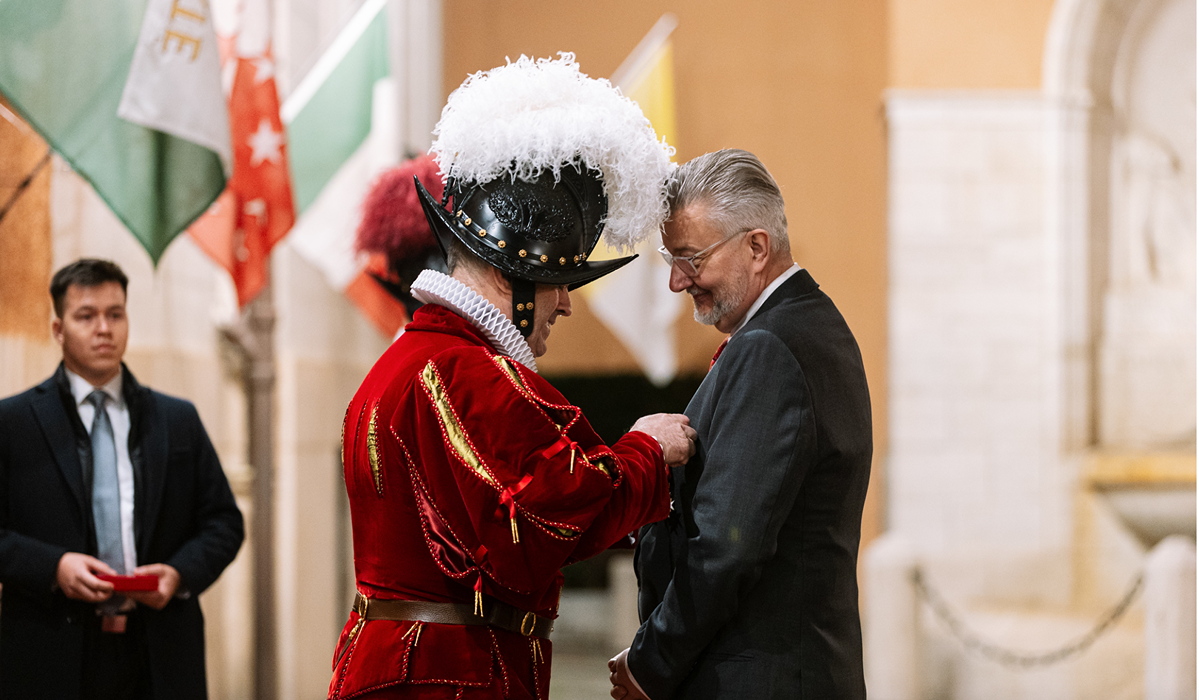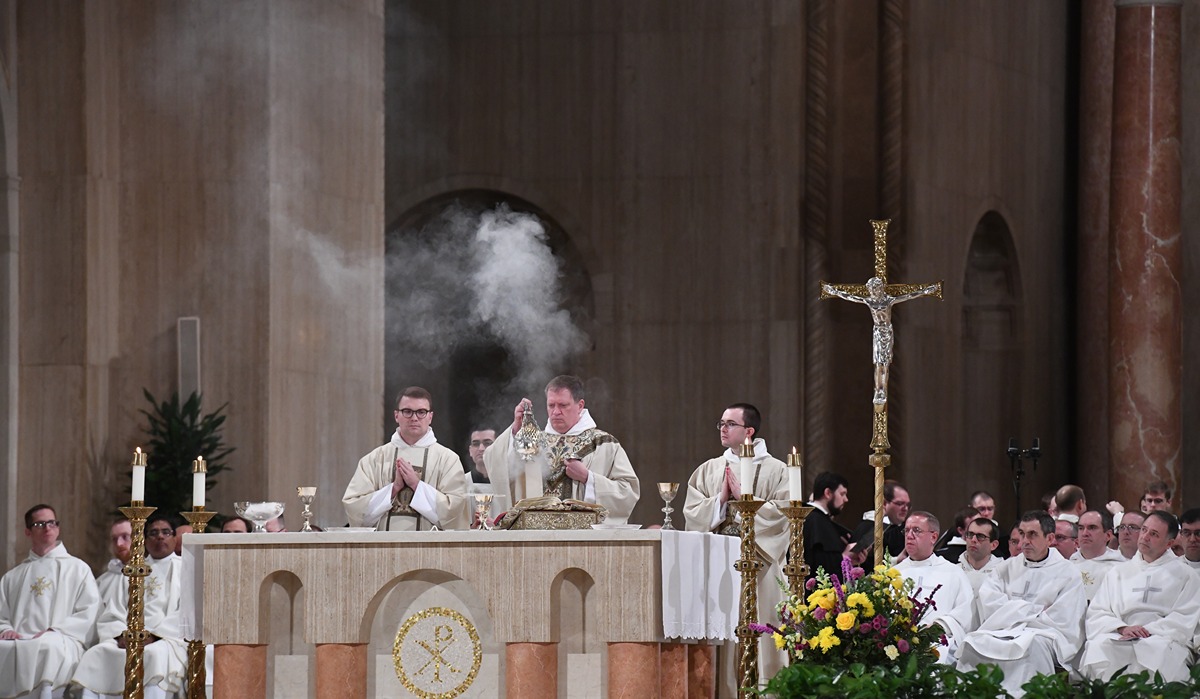
Catholic University is a national research university with more than 5,000 undergraduate and graduate students in 250+ academic programs on a residential campus in the heart of Washington, D.C. We provide a transformative experience — academically, spiritually, and socially — to prepare you for a life of meaning and purpose.
Find a sense of community and belonging. We offer a supportive environment for academic and personal growth on a beautiful campus in the heart of the nation's capital.
START EXPLORING



Catholic University is taking action to address the most pressing safety and security concerns in and around our campus. Follow the latest updates and our progress on important safety initiatives through our Safety Initiatives Dashboard.
Learn moreTrue education enables us to love life and opens us to the fullness of life.